
The Best Blinds and Shades to Block Heat in Alabama Summers
By July, a lot of Huntsville homeowners are fighting the same battle: certain rooms just will not cool down, the AC runs nonstop, and the bill climbs anyway. Most of that heat is coming straight through your windows. The fix is choosing window treatments built to stop it, and some are far better at it than others. Solar shades and cellular shades lead the pack for a reason.
The direct answer: the best heat-blocking window treatments are solar shades (which stop the sun's heat at the glass while keeping your view) and cellular honeycomb shades (which insulate the window with trapped air). Standard blinds help a little, but they are not in the same league. Below is how each option actually performs.
1. Solar shades: best for blocking heat with the view intact
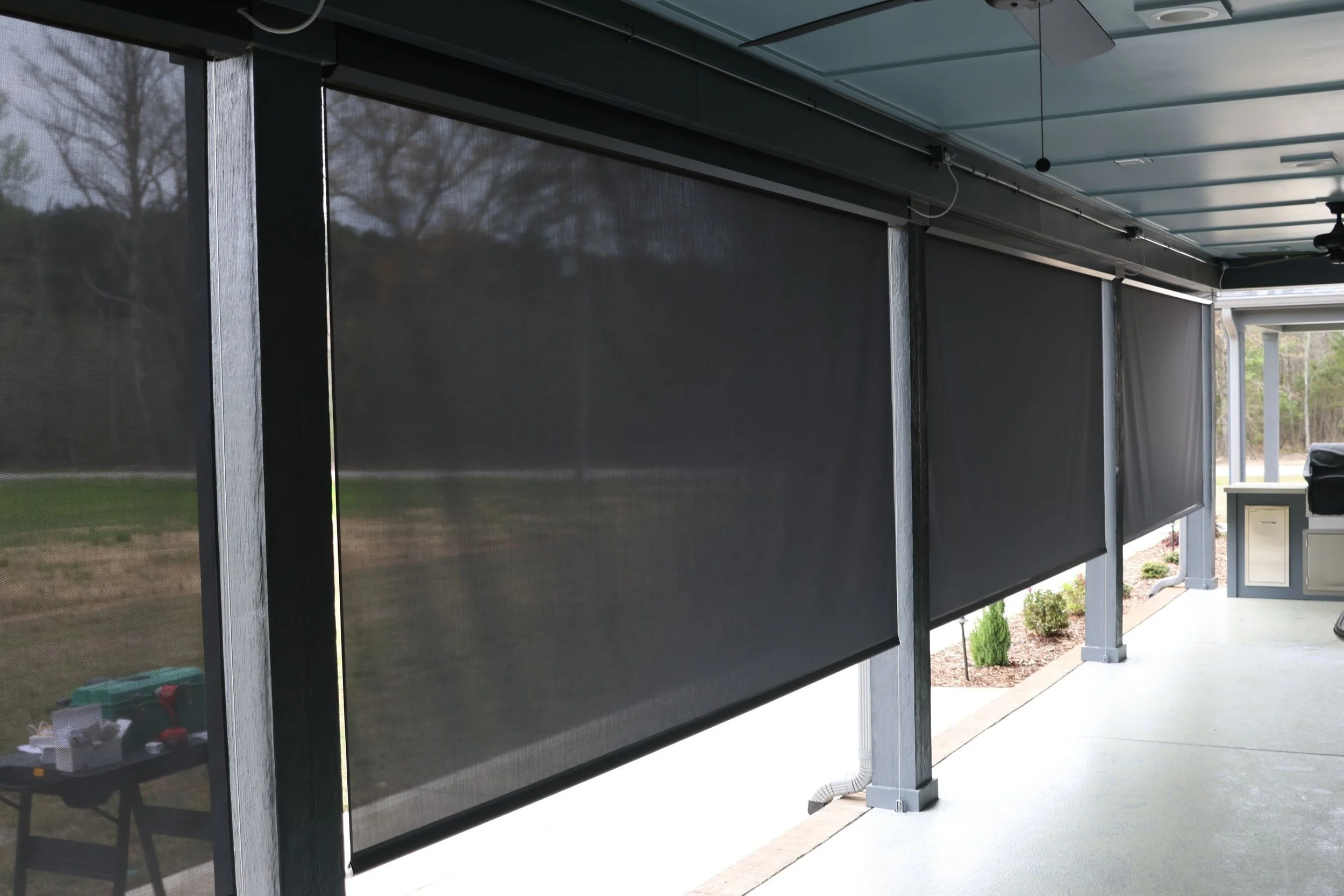
Solar shades use a tight screen fabric that blocks a large share of incoming solar heat and glare before it enters the room. You still see outside, which is why they win for living rooms, sunrooms, and any window where you do not want to lose the view.
The fabric is rated by openness percentage. Lower numbers (1% to 3%) block more heat; higher numbers (5% to 10%) preserve more view. For the brutal west-facing side of an Alabama home, lean toward the lower end. The one caveat is nighttime privacy, since solar shades are a daytime privacy product, so they are a better fit for living spaces than bedrooms.
2. Cellular (honeycomb) shades: best for insulation
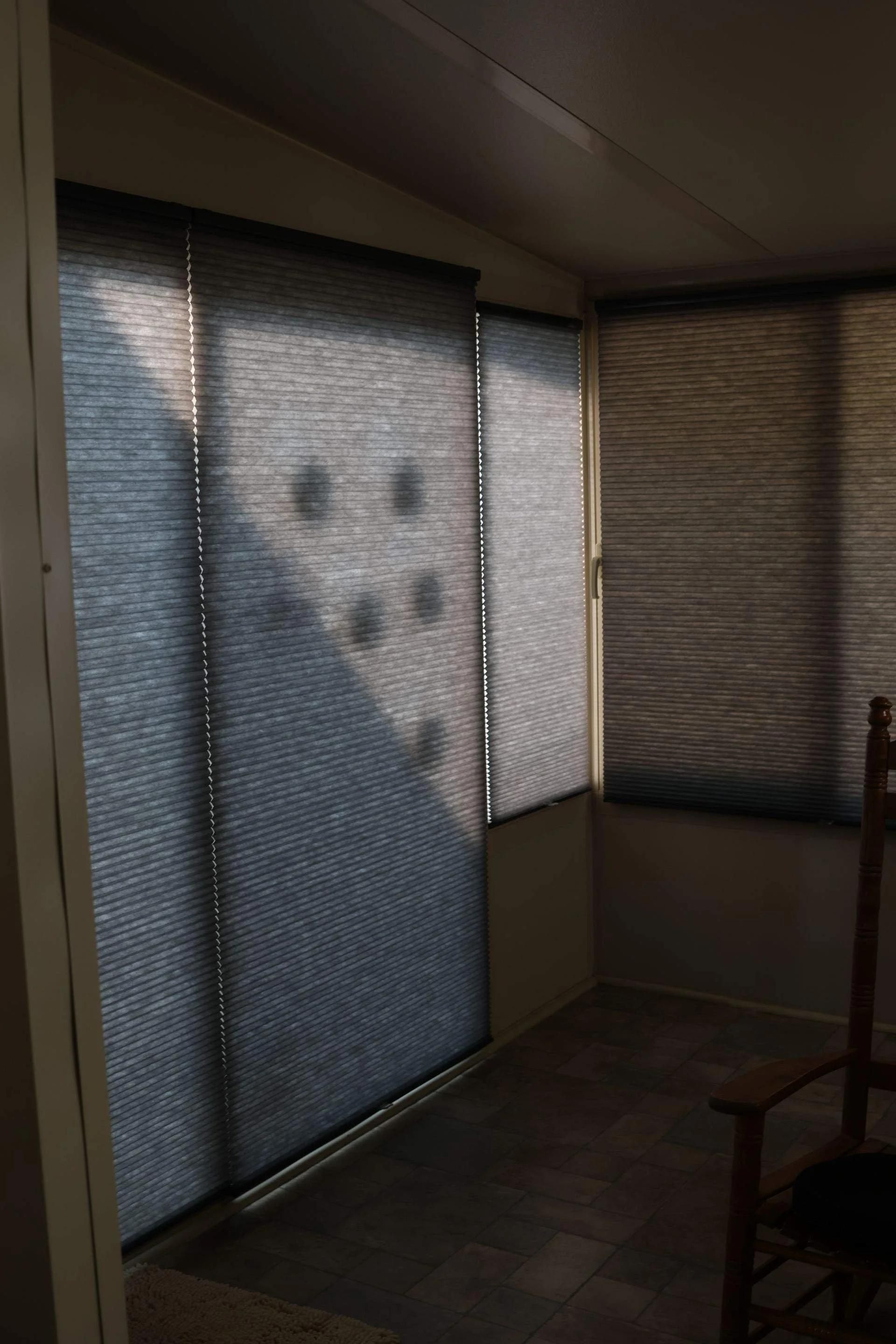
Cellular shades trap air inside pleated honeycomb cells, and that air pocket slows heat moving through the window. They block summer heat and hold warmth in winter, so they pull double duty. Double-cell versions insulate more than single-cell, and room-darkening fabrics add even more punch in a bedroom.
These are the top choice when you care more about keeping a room cool and comfortable than keeping a view, which makes them a natural for bedrooms and media rooms. We compare them head to head with solar shades in our energy-efficient window treatments guide.
3. Blinds: helpful, but only part of the answer
Wood, faux wood, and aluminum blinds can be tilted to deflect direct sun, and closing them does cut some heat and glare. But blinds have gaps between the slats and around the edges where light and heat leak through, so they never seal a window the way a solar or cellular shade does. If you love the look of blinds, a good middle path is to keep them where the look matters and add solar or cellular shades on your worst sun-facing windows.
Match the treatment to the room
Here is how we usually sort it for a Huntsville home:
West- and south-facing living spaces with a view worth keeping: solar shades.
Bedrooms and media rooms where comfort and darkness beat the view: room-darkening cellular shades.
Rooms you want insulated year-round, not just in summer: cellular shades.
Rooms where the look of blinds matters most: blinds, with shades added on the hottest glass.
You do not have to pick one product for the whole house, and you usually should not. We will walk your home, point out which windows are doing the most damage, and tell you the most cost-effective way to fix them. For more on keeping the whole house cooler, see our guide on cooling your home with the right shades.
How we quote it
We give you a ballpark on the phone once we know roughly how many windows and how big, then confirm the exact price at the on-site measure, where you also see the fabrics in person. Our crew installs in-house, and every job carries a lifetime installation guarantee plus three years of service calls. Call (256) 883-1786 to get started.
Frequently asked questions
What blinds or shades block the most heat? Solar shades and cellular (honeycomb) shades block the most. Solar shades stop the sun's heat at the glass while keeping the view; cellular shades insulate with trapped air. Standard blinds help but leak heat through the slat gaps.
Do solar shades or honeycomb shades keep a room cooler? Both keep rooms cooler in different ways. Solar shades block direct solar heat and glare, ideal for sunny living spaces with a view. Honeycomb shades insulate the window and work year-round, ideal for bedrooms and rooms where you want a view less.
Do blackout curtains block heat? They help by blocking direct sun, but fabric curtains do not insulate the window the way cellular shades do, and they kill the view and daylight. For heat control with more flexibility, solar or cellular shades usually perform better.
Which color solar shade blocks the most heat? Darker fabrics tend to cut glare and preserve view clarity better, while lighter fabrics reflect more heat outward. The openness percentage matters more than color for total heat blocked, so a tighter weave wins regardless of shade.
Beat the heat in the rooms that need it
If a few rooms turn into ovens every afternoon, the right shades will fix it. Request a free quote or call (256) 883-1786, and we will tell you exactly which treatments to put where.
